

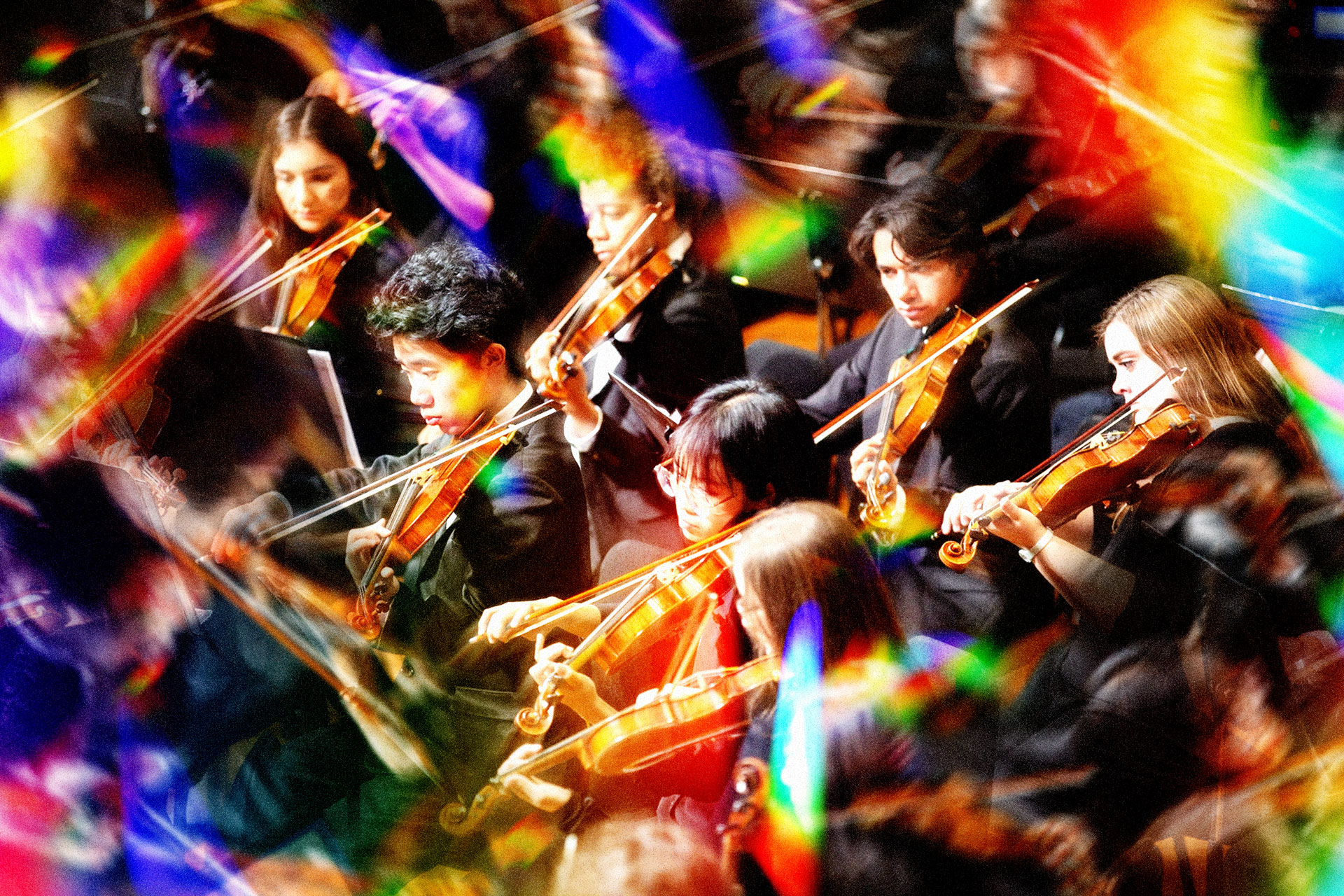
Program
Music at MIT develops students’ creativity, talent, research skills, and aesthetic sensibility through performance, composition, analysis, and the study of music in its historical and cultural contexts. Students engage with the many facets of music through both its creation and study and work closely with scholars, composers, theorists, performers, and musical directors. The program encompasses a broad range of musical traditions including classical, folk, pop, jazz, and global music spanning diverse eras and cultures.
MIT Music subjects are tailored to students’ prior experience and range from introductory classes that require no previous background to advanced seminars, private lessons, and performance opportunities for musicians working at near-professional levels. Overall, the Music Program offers MIT students a comprehensive and inclusive environment to develop their musical skills while fostering creativity, critical thinking, and a deeper appreciation for music as a whole.

Focus Areas
Composition + Theory
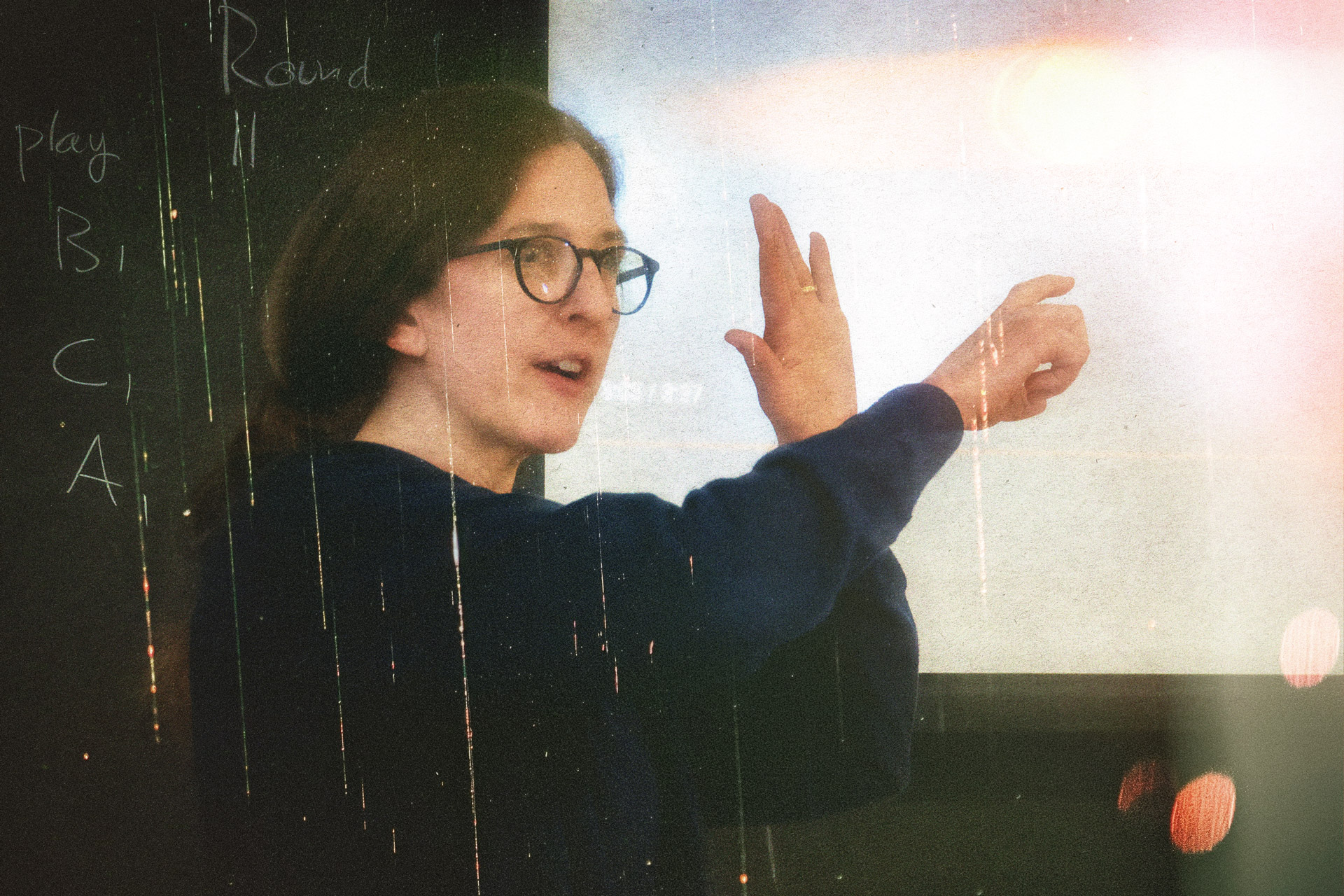
The Composition part of our curriculum helps student composers develop their skills regardless of prior experience. Students can receive compositional training in a wide variety of genres, from the avant-garde to classical tonality, from jazz arranging to electronic music.
The Theory part of our curriculum accommodates all skill levels and gives students a solid grounding in the harmonic and contrapuntal techniques of tonal music while expanding into contemporary practices in both classical music and jazz.
History + Culture
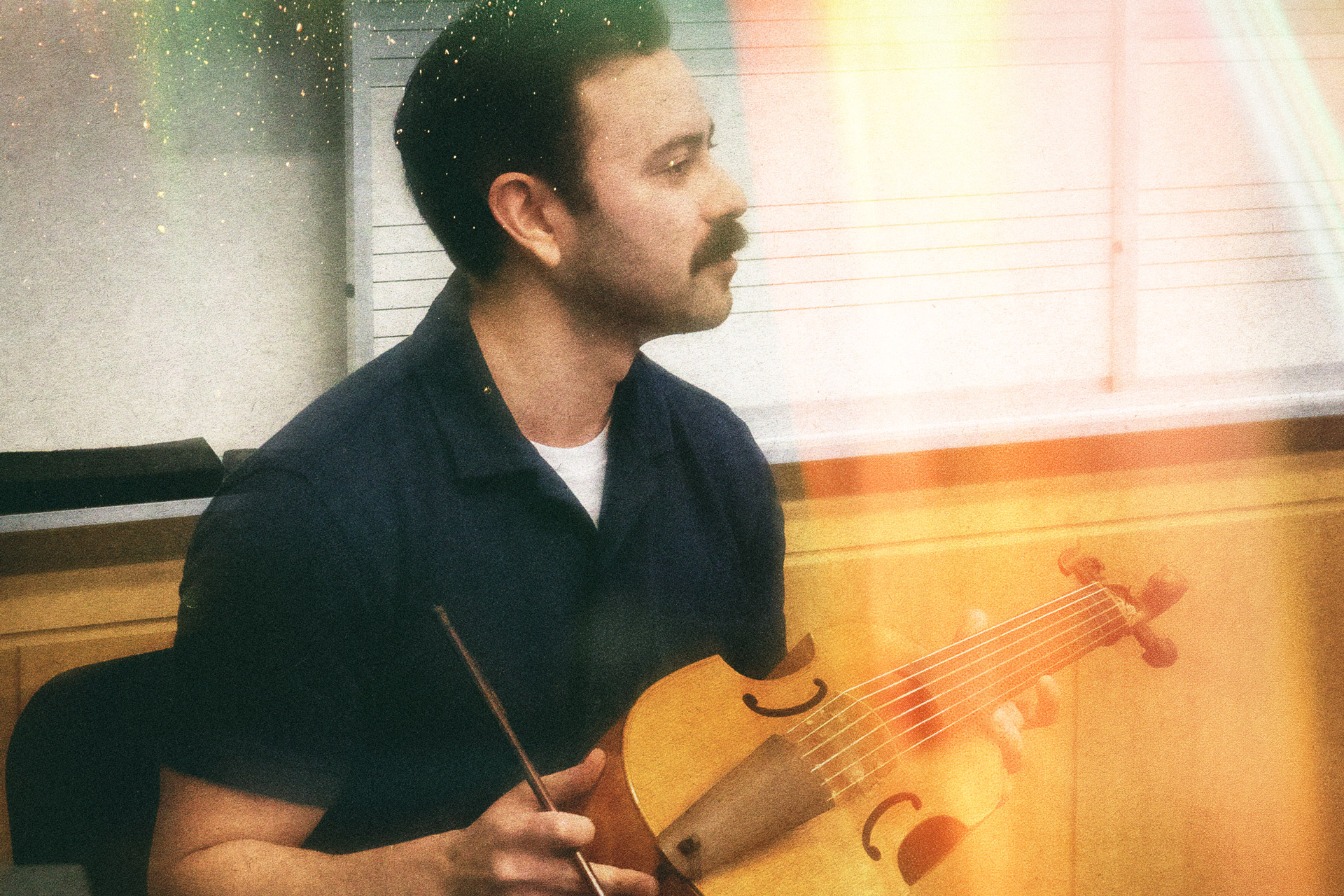
Our History + Culture offerings lay the foundations for understanding how music has been created, performed, and heard over time and across civilizations. These subjects range from broad overviews of Western and non-Western music to smaller, more specialized classes in particular genres, time periods, and forms of musical expression. Popular, folk, classical, Western, and non-Western music are all areas of inquiry.
Music Technology
Music Technology at MIT is defined as a field of scientific inquiry where practitioners study, discover, and develop new computational approaches to music that include music information retrieval, generative algorithms, machine learning and AI, interaction and performance systems, digital instrument design, acoustics, audio signal processing, and software development for creative expression and music applications.

Performance
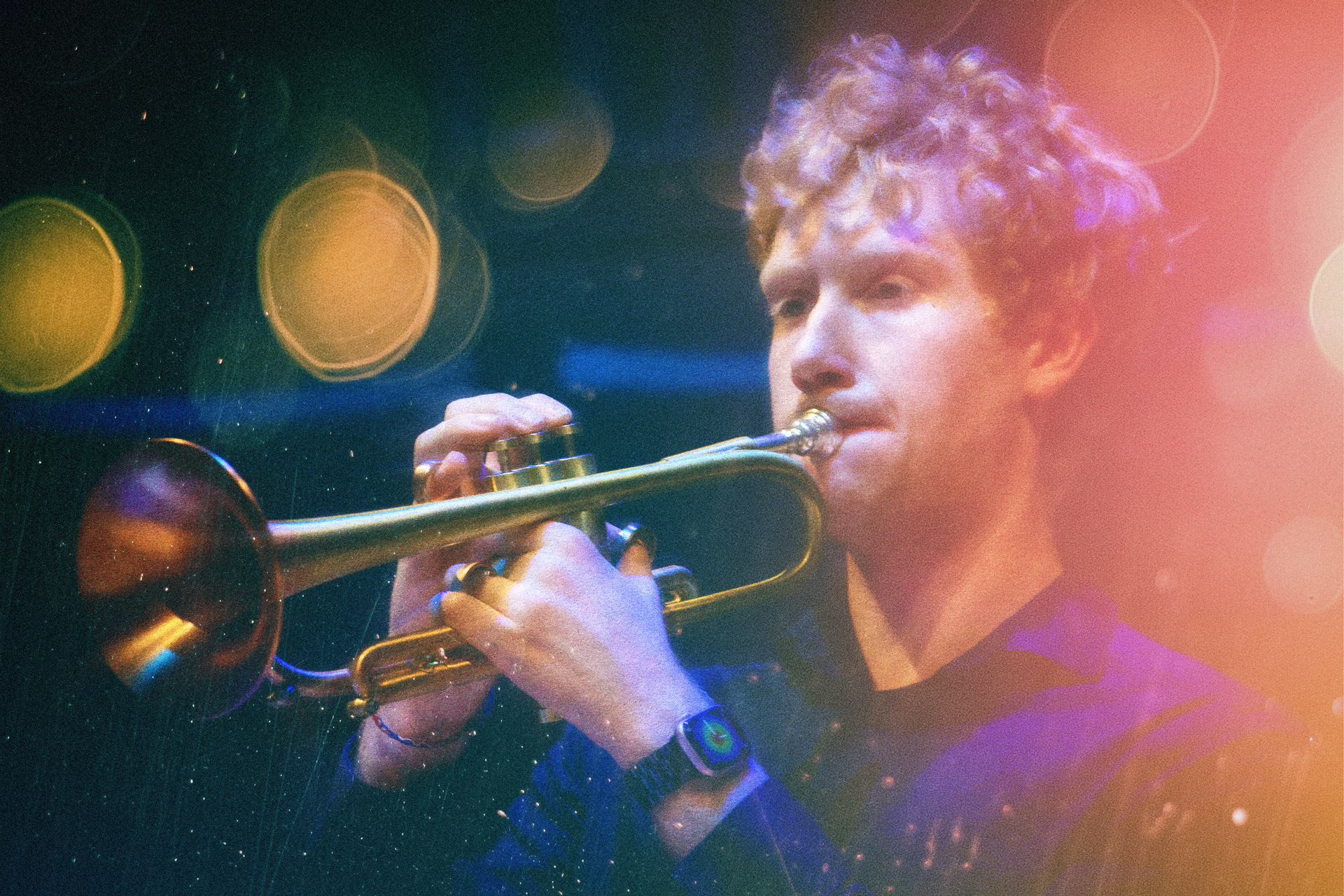
Performance programming in MIT Music offers all students—whether graduate or undergraduate—vocal and instrumental opportunities in the areas of classical, jazz, and world music. Each of our performance groups are led by our select faculty of renowned performers, coaches, and musical directors and can be taken for academic credit if desired.